Here's the good news first: there's no truly bad time to visit the Maldives. Water temperatures hover between 27 and 30°C all year, the sun shows up almost every day, and the lagoons stay that impossible shade of turquoise no matter what the calendar says.
But the experience does shift. The Maldives sits right on the equator and runs on two monsoons, and which one you land in shapes everything. How calm the sea is, how often it rains, how busy the islands feel, and how much you pay.
The Two Seasons, Explained Simply
Forget summer and winter. The Maldives has a dry season (locals call the northeast monsoon iruvai) running roughly December to April, and a wet season (the southwest monsoon, hulhangu) from May to November.
Dry season means calmer seas, lower humidity, blue skies, and the best underwater visibility. It's also peak tourist season. Prices climb and the popular islands fill up. Wet season brings warm, short downpours (usually an hour or two, not all-day grey), the occasional storm, choppier water on the exposed sides of atolls, and noticeably softer prices.
December to April: The Postcard Months
This is the classic Maldives window. Christmas and New Year are the busiest and priciest weeks of the entire year, so if you can, aim for late January through April. You'll get glassy seas, jaw-dropping sunsets, and visibility that often passes 30 meters underwater.
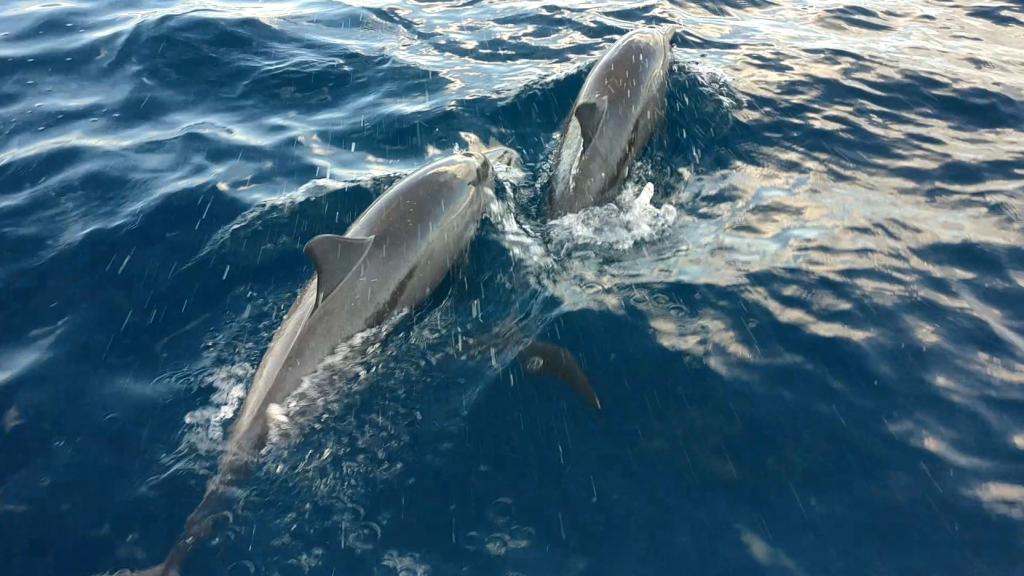
May to November: The Clever Traveler's Secret
Don't write off the wet season. Yes, it rains more, but it tends to come in bursts, often overnight or in a quick afternoon shower, leaving plenty of sunshine in between. The upside is real: fewer crowds, quieter sandbanks, and rates that can be 30-40% lower than peak.
It's also when the plankton blooms, which is exactly why the Maldives' biggest stars, manta rays and whale sharks, show up in greater numbers on certain sides of the atolls.
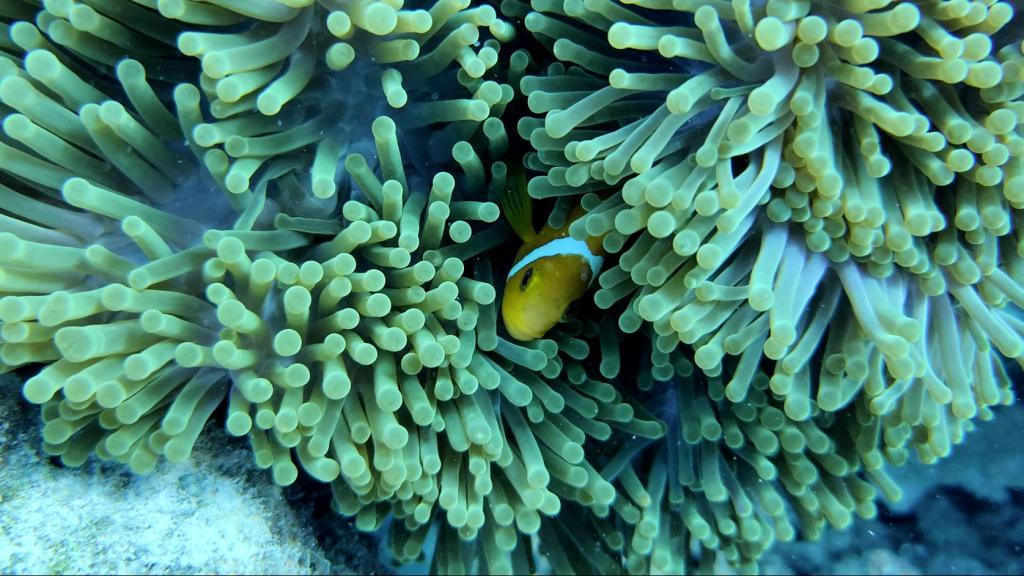
Quick Month-by-Month Cheat Sheet
- December–January: Peak everything. Gorgeous weather, highest prices, book months ahead.
- February–April: The sweet spot. Dry, calm, slightly less frantic than the holidays.
- May–July: Shoulder season. Some rain, great value, good surf on the south-west breaks.
- August–November: Wettest stretch, but the cheapest, and prime time for manta and whale shark encounters.
So When Should You Go?
If you want flawless weather and don't mind paying for it, target February to April. If you care more about your wallet, marine life, and having a sandbank to yourself, the shoulder months of May to July are honestly underrated. Either way, pack reef-safe sunscreen and a light rain jacket, and you're set.
